
Polish citizenship by descent: how confirmation of citizenship works

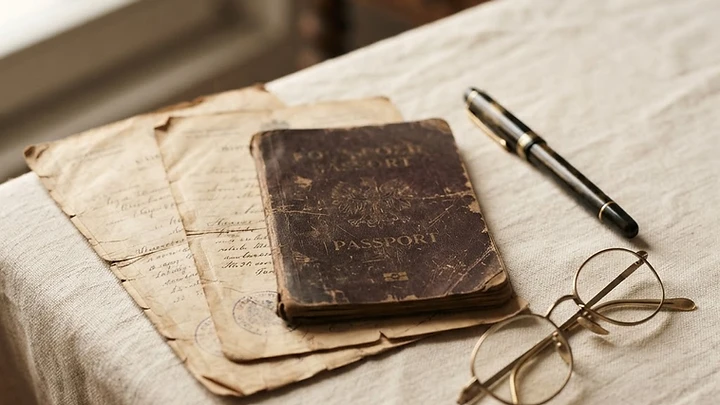
How the confirmation procedure works, which voivode decides, what documents and fees are involved, how long it takes and where these cases most often run into difficulty.
If a parent, grandparent or great-grandparent was a Polish citizen, you may already be a Polish citizen yourself without knowing it. Polish law does not "grant" citizenship in these cases: it confirms that it has passed down through the generations. This guide explains how the procedure works, which office decides, what it costs and where cases most often run into difficulty. Practical questions about living, working and dealing with Polish authorities are covered on the page for an immigration lawyer in Poland.
Key legislation: Act of 2 April 2009 on Polish citizenship, in particular art. 55; earlier citizenship acts of 1920, 1951 and 1962; Code of Administrative Procedure (Kodeks postępowania administracyjnego).
Descent, not application
Polish citizenship passes primarily by descent, on the principle of ius sanguinis: what matters is whether a parent held Polish citizenship. The principle of ius soli, place of birth, plays only a supporting role in Polish law and applies mainly to children found in Poland whose citizenship cannot be established.
This is why the procedure is called confirmation of possession of Polish citizenship (potwierdzenie posiadania obywatelstwa polskiego). The decision states what is already the case rather than creating a new status. It is different from two other routes:
- Granting of citizenship by the President of Poland, which is discretionary,
- Restoration of citizenship by the Minister of the Interior, for people who lost it in defined historical circumstances.
The rule that decides most cases
For establishing whether citizenship was acquired or lost, the decisive law is the one in force at the time of the event. Four acts matter in practice: those of 1920, 1951, 1962 and 2009.
That single rule explains why two families with seemingly similar histories get different answers. What happened in an ancestor's life, and when, determines which statute applies to it. Events in the life of an ancestor or of the applicant may also have caused the loss of citizenship under the rules then in force, so the analysis has to follow the whole chain, generation by generation, not just the earliest Polish ancestor.
Which authority decides
Under art. 55(1) of the Act on Polish citizenship, the decision is issued by the voivode for the place of residence, or the last place of residence in Poland, of the person the proceedings concern. Where there is no such basis, and this is the usual situation for descendants born abroad, the competent authority is the Mazovian Voivode in Warsaw.
People living abroad can file through the Polish consul for their place of residence. Proceedings can also be started by the authority of its own motion.
Documents and timing
The application covers the person concerned and their ascendants up to the second degree, together with the circumstances needed to establish the facts. Documents usually include:
- Polish civil status records (birth, marriage and death certificates issued by a Polish registry office),
- copies of Polish identity documents, including expired ones: identity cards, passports, and military or residence records,
- copies of foreign identity documents and naturalisation records,
- any documents showing when and how an ancestor left Poland.
Fees: 277 PLN for the decision confirming possession or loss of citizenship, and 17 PLN for a power of attorney, though a spouse, parent, child or sibling is exempt from that fee. If the decision is negative or the proceedings are discontinued, the stamp duty can be reclaimed.
Time: the voivode has 6 months to issue a decision, and periods of waiting for documents or for steps that depend on the applicant are not counted towards that time. In practice, cases requiring archive research take longer.
If the decision is negative
An appeal goes to the Minister of the Interior and Administration, through the voivode who issued the decision, within 14 days of the decision being served. Only the applicant or their attorney can file it. A further complaint to the administrative court is possible after the appeal stage.
Refusals often turn on gaps in evidence rather than on the substance of the family history: a missing record, an ancestor who cannot be linked to the next generation, or an event whose date cannot be established. Reviewing the reasons carefully matters, because the same case can succeed once the gap is filled.
Where cases get complicated
- Missing records. Polish civil status records were destroyed on a large scale during the war. Where a record is missing, the search moves to state archives, church registers and foreign records.
- Name changes. Spelling was often changed on emigration, which breaks the documentary chain unless the change can be evidenced.
- Events affecting citizenship. Acquiring another citizenship, military service abroad and certain other events could cause loss of Polish citizenship under the earlier statutes. Whether they did depends on the law in force at the time and on the individual circumstances.
- Women's citizenship. Under the older acts, marriage could affect a woman's citizenship, which matters when descent runs through the maternal line.
Practical first steps
- Write down the chain: who the Polish ancestor was, when they were born, when they left Poland and where they settled.
- Collect what the family already holds: passports, identity cards, military papers, letters, photographs of documents.
- Order foreign civil status records in the country of settlement, with certified translations into Polish.
- Check for Polish records at the registry office for the place of birth or marriage, and at the state archives.
- Assess the chain before filing, since it is the gaps rather than the ancestry that usually decide the outcome.
Frequently asked questions
Do I have to speak Polish? No. There is no language requirement in confirmation proceedings, because the procedure establishes an existing status rather than granting citizenship. Documents in other languages need certified translations into Polish.
Do I have to give up my current citizenship? Polish law does not require it. Whether your other country allows dual citizenship is a question for that country's law.
How far back can descent be traced? There is no fixed generation limit. What matters is whether the chain of citizenship was preserved and can be evidenced, which is why cases usually turn on documents rather than on how distant the ancestor is.
Can I apply from abroad? Yes. The application can be filed through the Polish consul for your place of residence, or by an attorney acting under a power of attorney in Poland.
What is the difference between confirmation and restoration? Confirmation states that citizenship has been held continuously. Restoration applies to people who lost Polish citizenship in defined circumstances and is decided by the Minister of the Interior.
Legal position: September 2026. This article is for information and does not replace legal advice in an individual case.
Contact: +48 509 831 745 or the contact form.
This article is for general information and is not legal advice on any specific case.
More guides
Drink Driving in Poland: What Foreign Drivers Should Know
Poland's alcohol limits are among the strictest in Europe. What counts as an offence, what the penalties are, and what it means if you live in Poland or are just visiting.
Arrested in Poland as a Foreigner: Your Rights and What Happens Next
Your rights after arrest in Poland, how long you can be held, interpreters, your consulate, bail and passport measures, explained for foreign nationals with the legal bases.
Getting Divorced in Poland as a Foreigner or International Couple
When a Polish court can hear your divorce, which country's law applies, what documents you need, and what happens with children in international cases.
Practice areas